
Seasonal activities can help assisted living residents stay active, connected, and engaged throughout the year. The most successful programs usually combine familiar traditions, gentle movement, creative projects, conversation, and opportunities to enjoy the changing environment safely.
How can seasonal activities benefit assisted living residents?
Seasonal programming gives residents a predictable rhythm while creating new reasons to participate. Activities may support social connection, mental stimulation, movement, sensory engagement, and emotional well-being.
A meaningful activity does not need to be complicated. Looking through spring seed catalogs, listening to summer music, decorating for autumn, or sharing memories about winter holidays can encourage conversation and personal expression.
Programs are most inclusive when they offer different participation levels. A resident may prefer to lead a discussion, observe a craft, listen to music, or take part for only a few minutes. Each option can provide value.
What are good spring activities?
Spring activities can focus on renewal, gardening, nature, and lighter movement. In New Kensington, PA, spring weather can change quickly, so indoor and outdoor plans should be flexible.
Useful options include:
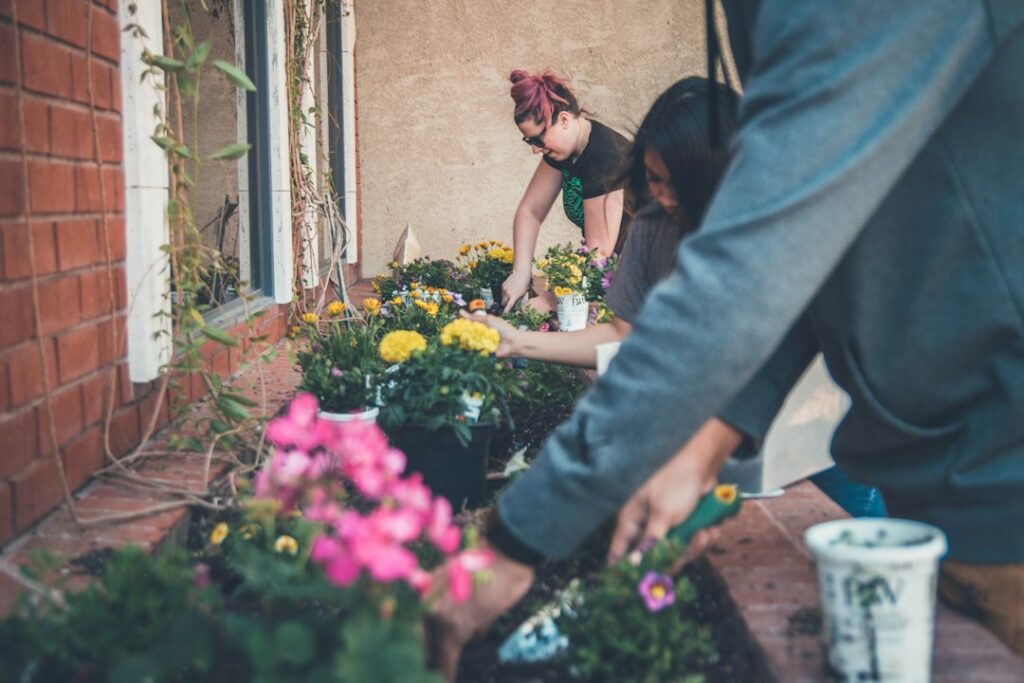
- Planting herbs or flowers in raised containers, window boxes, or small indoor pots
- Creating paper flowers, pressed-flower artwork, or nature-themed collages
- Sorting and labeling gardening tools or seed packets
- Hosting a spring music hour with familiar songs
- Taking short walks when paths are dry and temperatures are comfortable
- Watching birds from a window or outdoor seating area
- Preparing simple fruit salads or other seasonal snacks
- Sharing memories about gardens, family traditions, or spring celebrations
Gardening activities can be adapted for residents with limited hand strength or mobility. Large seeds, lightweight containers, wide-handled tools, and pre-filled pots may make participation easier. Residents who cannot garden directly may still enjoy choosing colors, identifying plants, or watering with assistance.
Outdoor activities should account for uneven pavement, wet grass, pollen, wind, and sudden temperature changes. A sunny day may still feel cool, especially for residents who spend much of their time indoors.
Which summer activities are comfortable and safe?
Summer programs work best when they provide shade, hydration, rest periods, and indoor alternatives. Warm weather can be enjoyable, but older adults may become overheated more quickly or may not notice thirst as readily.
Comfortable summer activities include:
- Shaded patio visits or supervised courtyard time
- Morning walks before the hottest part of the day
- Outdoor sing-alongs or familiar music programs
- Watercolor painting, flower arranging, or seashell-themed crafts
- Indoor picnic lunches with summer foods
- Ice cream or fruit-tasting activities, with dietary needs considered
- Gardening during cooler morning hours
- Reminiscing about vacations, county fairs, swimming, or family reunions
Heat safety deserves attention. Outdoor sessions should be shorter during hot or humid weather, with access to cool indoor spaces. Residents should have comfortable seating, water or other approved beverages, and protection from direct sun.
An outdoor activity is not automatically safer or healthier than an indoor one. A well-planned indoor program may be the better choice during high heat, poor air quality, thunderstorms, or excessive humidity.
What autumn activities encourage conversation and participation?
Autumn naturally supports sensory and memory-based activities. Cooler temperatures, changing leaves, harvest themes, and familiar seasonal routines can provide many conversation starters.
Residents may enjoy:
- Decorating pumpkins or making leaf-themed artwork
- Sorting colored leaves by shape, size, or texture
- Baking or preparing simple recipes with seasonal flavors
- Creating table centerpieces with artificial leaves and safe decorations
- Holding a harvest discussion about family meals and traditions
- Listening to music associated with school days, dances, or football seasons
- Taking a supervised drive or walk to observe fall colors, when conditions permit
- Organizing a sweater, scarf, or fabric-texture activity for sensory engagement
Autumn weather in the area can include rain, wind, and rapidly changing temperatures. Outdoor plans should include a nearby indoor location, clear walking paths, and clothing that can be adjusted easily.
Seasonal decorations should not create trip hazards or block handrails, exits, lighting, or mobility paths. Small decorative objects may also need to be avoided if residents are likely to mistake them for food.
How can winter activities reduce isolation?
Winter activities can help residents maintain social contact when cold temperatures, snow, ice, or shorter daylight hours limit outdoor time. Indoor programming should include both group options and quieter individual activities.
Ideas include:
- Creating winter cards, paper snowflakes, or simple decorations
- Hosting a hot beverage discussion with caffeine-free choices as appropriate
- Watching classic films followed by conversation
- Playing familiar board games, bingo variations, puzzles, or trivia
- Holding a winter reading group with short stories or poetry
- Making fleece blankets, no-sew crafts, or textured artwork
- Sharing family recipes and memories connected to winter gatherings
- Setting up indoor walking routes with rest points
- Listening to live or recorded music during low-light afternoons

Winter can be emotionally difficult for residents who miss family members, have limited mobility, or feel less independent during bad weather. Activities should not assume that every resident enjoys holiday celebrations. Offering neutral winter themes, music, art, cooking, and conversation allows more people to participate comfortably.
Lighting also matters. Indoor areas should be bright enough for reading, crafts, and safe walking without creating glare. Staff and family members can help residents identify activities that feel manageable rather than tiring.
How should activities be adapted for different abilities?
Activities should be adjusted for vision, hearing, memory, mobility, dexterity, and energy level. A single program can often be offered in several forms.
Helpful adaptations include:
- Using large-print instructions and high-contrast materials
- Providing demonstrations instead of relying only on written directions
- Speaking clearly while facing residents
- Offering lightweight tools and materials that are easy to grip
- Breaking projects into short, simple steps
- Providing seated versions of movement activities
- Limiting background noise during discussions
- Allowing extra time for responses and decisions
- Giving residents the choice to participate individually or in a group
For residents living with memory loss, familiar routines and sensory activities may be more successful than complicated projects. Folding towels, arranging flowers, sorting objects by color, singing well-known songs, or looking through seasonal photographs can support engagement without requiring a correct answer.
Residents should not be pressured to participate. Invitations can be repeated later, and observing may be a meaningful form of involvement.
What makes a seasonal activity meaningful?
The strongest activities connect with a resident’s history, preferences, culture, and abilities. A former gardener may enjoy planting, while another resident may prefer discussing recipes, listening to music, or watching birds.
Before planning a program, consider:
- What memories might the season bring up?
- Can residents make choices about colors, music, foods, or materials?
- Is there a quiet alternative for people who dislike crowds?
- Can the activity be completed in short stages?
- Are weather, allergies, fall risks, and dietary restrictions addressed?
- Does the activity encourage conversation without requiring personal disclosure?
Seasonal programming is most effective when it feels familiar but not repetitive. A yearly tradition can remain meaningful while changing slightly through new music, different craft materials, resident-led stories, or a fresh display of photographs.
The goal is not to fill every hour with activities. It is to create comfortable opportunities for residents to connect with others, use their abilities, enjoy familiar seasons, and make personal choices throughout the year.
