Transportation affects more than appointments. Reliable rides help assisted living residents remain connected to family, attend activities, manage personal errands, and continue enjoying familiar places in the community.
For residents of New Kensington, transportation planning should account for mobility needs, weather, trip length, and whether a ride requires curb-to-curb assistance or extra support from another person.
What transportation options are available?
Residents may use a combination of facility transportation, public buses, shared-ride programs, family rides, and accessible vehicles. The right option depends on the destination, schedule, mobility equipment, and level of supervision needed.
Public transit in the area includes fixed-route bus service with routes serving New Kensington and connections toward nearby communities. Some routes are designed for local travel, while others operate as longer-distance commuter services. Bus schedules, holiday closures, walking distances, and stop conditions should be checked before planning a trip.
Shared-ride transportation may be available for older adults and people with qualifying disabilities. These services generally require advance reservations and may use scheduled pickup windows rather than an exact arrival time. A rider may need to provide information about mobility equipment, medical appointments, and whether another person will accompany them.
Assisted living communities may also coordinate group outings or limited transportation for planned activities. These trips often work best when residents sign up early because vehicles may have limited seating and wheelchair capacity.
How should a resident choose between a bus, shared ride, and family ride?
The best choice is the one that matches the resident’s actual needs, not simply the shortest distance.
A fixed-route bus may be reasonable when a resident can safely reach the stop, wait outdoors, board without rushing, and walk a short distance after exiting. It may be less suitable when there are steep areas, poor sidewalk conditions, balance concerns, or a need for direct service to a doorway.
A shared-ride vehicle may be more appropriate for a resident who cannot use regular bus service because of a qualifying disability. However, reservations, eligibility rules, pickup windows, and service boundaries must be confirmed in advance.
A family ride may offer the most flexibility for evening plans, bulky purchases, or outings where the resident needs help entering a building, handling a walker, or managing medications. Family members should still allow enough time for safe transfers rather than treating the trip as a quick taxi-style ride.
Before selecting transportation, consider:
- Can the resident walk from the building to the pickup point?
- Is the route level, well lit, and free of obstacles?
- Will a walker, wheelchair, or oxygen equipment be carried?
- Does the resident need help with doors, steps, or finding the entrance?
- What happens if the vehicle is delayed?
- Is there a safe place to wait indoors?
What should residents know about shared-ride and paratransit services?
Shared-ride and paratransit services are not always the same. Shared-ride programs may serve older adults or other eligible riders through advance scheduling. ADA paratransit is intended for people whose disabilities prevent them from using accessible fixed-route public transportation under applicable eligibility rules.
These services commonly involve:
- An application or eligibility process
- Advance booking
- A defined service area
- Pickup and drop-off windows
- Limits on same-day trips
- Policies for companions and mobility devices
A rider should ask whether the vehicle provides door-to-door, curb-to-curb, or origin-to-destination assistance. Those terms can mean different levels of help. In many cases, the driver can assist within transportation guidelines but cannot provide personal care, lift a resident, or enter a private room.
It is wise to reserve the return trip at the same time as the outgoing ride. Medical appointments and errands can take longer than expected, so the return schedule should leave room for delays without creating unnecessary pressure.
How can residents prepare for medical appointments and errands?
Preparation reduces missed rides and confusion. A written trip plan is useful, especially for residents with memory concerns or multiple appointments.
The plan should include:
- Appointment time and expected length
- Pickup location and an alternate meeting point
- Destination entrance or department
- Return transportation details
- Emergency contact information
- Mobility equipment being used
- Any medication or meal timing concerns
For a medical appointment, residents should confirm whether the ride may wait during the visit. Some transportation programs drop riders off and return later, while others require a new pickup arrangement.
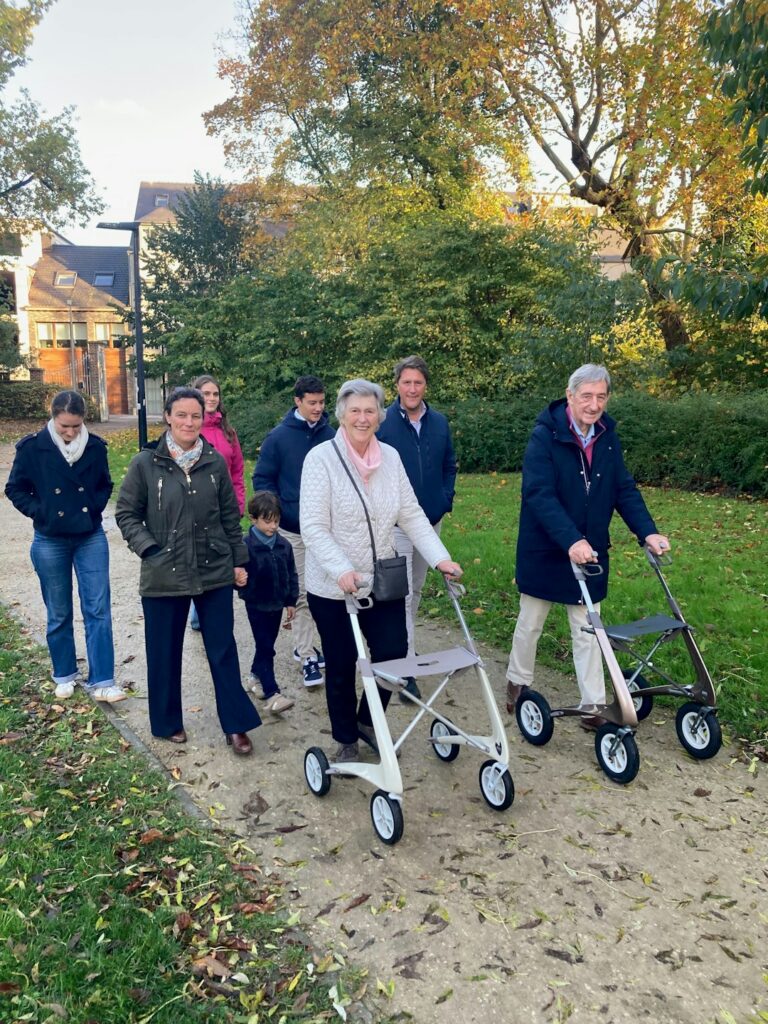
For shopping or personal errands, it helps to use a small list and avoid carrying more than can be safely managed. A rolling walker with a seat may provide support, but it should not be overloaded. Heavy bags can affect balance and make it harder to board a vehicle.
What types of outings are practical for assisted living residents?
Outings do not need to be elaborate to be meaningful. Short, familiar trips often provide the greatest comfort and independence.
Practical options may include:
- Scenic drives during spring, summer, and fall
- Visits with family members
- Community events held indoors
- Library programs or quiet reading time
- Faith-based gatherings
- Small shopping trips
- Hair appointments or personal care errands
- Lunch or coffee outings
- Visits to parks with paved, accessible paths
- Seasonal decorating or holiday activities

Group outings should include a realistic schedule. A plan that includes several stops may become tiring, particularly for residents who need frequent restroom breaks or have difficulty walking long distances.
Outings are often more enjoyable when there is a place to sit, a predictable restroom location, and an indoor option if weather changes.
How does weather affect transportation in New Kensington?
Weather can change a safe trip into a difficult one. Winter snow and ice may affect sidewalks, parking areas, bus stops, ramps, and vehicle entry points. Cold temperatures can also worsen joint stiffness and make waiting outdoors uncomfortable.
During colder months, residents should wear layers, gloves, and footwear with secure traction. Pickup areas should be cleared of snow and ice, and walkers should be checked for clean, stable tips. A trip may need to be postponed if sidewalks are slippery or if a vehicle cannot safely reach the entrance.
Summer weather brings different concerns. Heat, humidity, and direct sun may increase fatigue and dehydration. Residents should carry water when appropriate, avoid extended outdoor waiting, and plan outings during cooler parts of the day.
Rain can create hazards around curb cuts and vehicle steps. A lightweight raincoat may be safer than carrying an umbrella while using a walker.
What safety questions should be answered before an outing?
Every outing should have a clear plan for assistance, timing, and unexpected problems. Residents and family members should know who is responsible for supervision during the trip.
Before leaving, confirm:
- The vehicle can accommodate the resident and mobility equipment
- The pickup area is accessible
- The resident has identification, necessary medication, and contact information
- The destination has an accessible entrance and restroom
- A companion understands the resident’s walking and transfer limits
- There is a backup plan for a late ride or weather change
A resident should never feel pressured to walk farther, move faster, or use unfamiliar equipment simply to keep a schedule. Transportation should support independence while respecting physical limits.
How can transportation support independence?
Independence does not always mean traveling alone. It may mean choosing the outing, helping plan the schedule, remembering familiar destinations, or deciding when enough activity has been completed.
A consistent transportation routine can make errands and activities easier to manage. Residents may prefer the same pickup entrance, a familiar seating arrangement, or outings at predictable times. Keeping a simple calendar of rides and activities can reduce anxiety and help prevent overlapping appointments.
For many older adults, transportation is also a social connection. A ride to a group event, family visit, or community program can help reduce isolation and maintain a sense of participation in everyday life.